
1. Can you tell us about your medical background and what led you to specialise in cosmetic surgery?
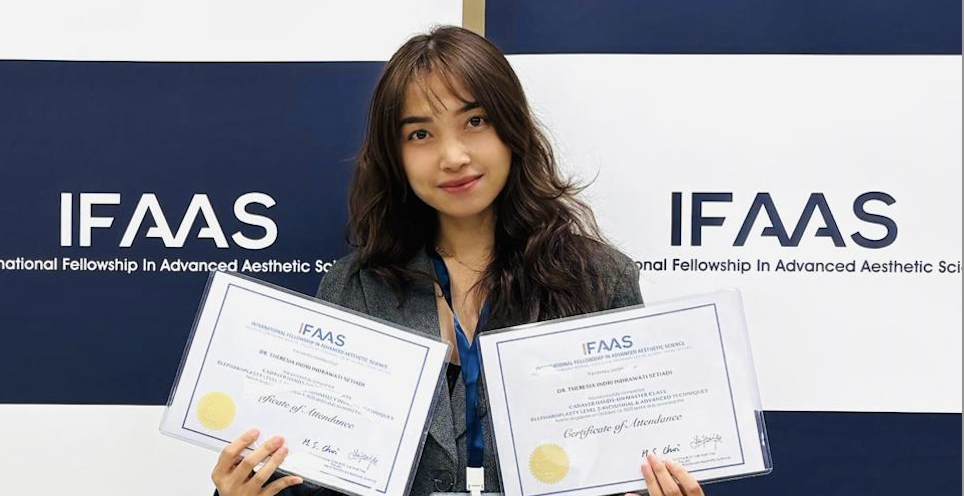
My name is Dr. Theresia Indri, Sp.DVE, and I am a board-certified dermatologist. I graduated as a medical doctor from Maranatha Christian University in Bandung (2014), and later completed my dermatology residency at Diponegoro University in Semarang (2024).
I have been practicing medicine since 2014. Before becoming a dermatologist, I spent three years working as an aesthetic physician, which gave me valuable experience in facial aesthetics and patient care. That experience reinforced my passion for combining science, medicine, and artistry to help patients look and feel more confident.
As a dermatologist, I enjoy treating both medical and aesthetic concerns. While many people associate cosmetic procedures with beauty alone, I believe they are ultimately about improving quality of life, restoring confidence, and helping patients feel like the best version of themselves. That philosophy is what continues to inspire me every day.
⸻
2. What procedures do you most commonly perform, and which do you feel most passionate about?
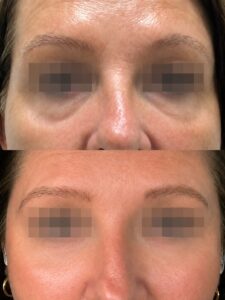
My daily practice includes a combination of medical dermatology and aesthetic procedures. I perform laser treatments for pigmentation, vascular lesions, and skin resurfacing, injectable treatments such as Botox and dermal fillers, skin cancer screening using dermoscopy, skin biopsies, minor skin surgery, electrocautery, as well as upper and lower blepharoplasty.
Among these, blepharoplasty and facial rejuvenation are the procedures I am most passionate about. The eyes are often the first feature people notice, and even subtle improvements can make someone look more refreshed while preserving their natural appearance.
I also enjoy treating challenging dermatological conditions such as acne and melasma because achieving healthy skin can have a profound impact on a patient’s confidence. Whether I am performing surgery or treating skin disease, my goal is always to achieve results that are natural, safe, and tailored to each individual.
⸻
3. How do you approach patient safety and decision-making, especially for patients travelling internationally?
Patient safety is always my highest priority. Every treatment begins with a comprehensive assessment of the patient’s medical history, skin condition, facial anatomy, and personal goals to determine whether they are an appropriate candidate for the procedure.
I also believe that one of the most important aspects of patient safety is knowing when not to operate. If I feel that a procedure is unlikely to achieve the patient’s expectations or is not in their best interest, I will recommend postponing it or exploring a more suitable alternative. Setting realistic expectations is just as important as performing the procedure itself.
For international patients, especially surgery-candidates, I routinely conduct a pre-treatment video consultation before they travel. This allows us to discuss their concerns, review their medical history, explain the treatment plan in detail, and prepare them for the procedure and recovery process. By the time they arrive, they already have a clear understanding of what to expect, which helps the entire experience run more smoothly.
I also make sure that every patient receives detailed pre-operative and post-operative instructions, along with a structured follow-up schedule. I believe that good planning, clear communication, and realistic expectations are the foundation of a safe and successful outcome, especially for patients travelling from overseas.
⸻
4. How do you ensure patients feel supported before, during, and after surgery?
I believe that communication is just as important as technical skill. Before surgery, I spend time understanding each patient’s concerns and expectations, making sure they fully understand the procedure, its benefits, limitations, and recovery process.
During surgery, I focus not only on precision but also on helping patients feel calm and comfortable. Even small gestures, such as explaining each step and checking on how they are feeling, can make a significant difference.
After surgery, patient care continues through regular follow-up appointments and ongoing communication. Recovery can sometimes be an emotional process, so I want my patients to know that they are never alone. Whether they have a simple question or need reassurance, I believe being available and responsive is an essential part of providing good medical care.
⸻
5. What has been the most rewarding experience in your career as a doctor so far?
One of the most rewarding aspects of my career is seeing how a successful treatment can positively change someone’s confidence and quality of life. Sometimes the physical improvement may seem subtle, but the emotional impact can be truly significant.
Ultimately, the most rewarding moments are when patients tell me they not only love their results but also felt genuinely cared for throughout the entire process. That trust is something I value deeply.
⸻
6. What advice would you give to someone considering cosmetic surgery for the first time?
My advice is to take your time and choose your surgeon carefully. Cosmetic surgery is not only about the procedure itself—it is about the expertise, judgment, and ethics of the doctor performing it.
Have an open discussion about your goals, ask questions, and make sure you understand both the benefits and the potential risks. It is also important to have realistic expectations. The best cosmetic procedures should enhance your natural features, not change who you are.
Finally, remember that the decision should be made for yourself, not because of pressure from social media or other people’s opinions. When done for the right reasons, with careful planning and in the hands of a qualified doctor, cosmetic surgery can be a very positive and rewarding experience.


