
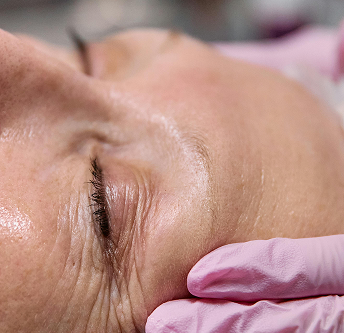
Brow Lift
A brow lift, also known as a forehead lift, is a surgical procedure designed to raise the
position of the eyebrows and smooth the forehead area. Over time, aging, sun exposure,
and natural facial movement can cause the eyebrows to droop and deep lines to develop across
the forehead.
A brow lift helps restore a more refreshed, open, and youthful appearance by lifting the
brows and reducing the appearance of forehead wrinkles and frown lines.
This procedure can also improve the look of heavy or hooded upper eyelids, as lowering
brows can contribute to excess skin around the eye area.
Types of Brow Lift
Traditional Brow Lift
A traditional brow lift involves an incision placed along or just behind the hairline. Through this
incision, the surgeon lifts the forehead skin and underlying tissue, repositions the brow, and
smooths the forehead area.
This technique is often recommended for patients who require more significant lifting or
correction.
Endoscopic Brow Lift
An endoscopic brow lift is a minimally invasive technique that uses small incisions hidden
within the hairline. A small camera called an endoscope is inserted through these incisions,
allowing the surgeon to view the underlying tissues and carefully lift and reposition the brow.
Benefits of an endoscopic brow lift may include:
Smaller incisions
Reduced scarring
Shorter recovery time
Less disruption to surrounding tissues
Recovery times can vary depending on the technique used, but typical timelines include:
First 48 hours
Mild swelling and bruising around the forehead and eyes
Patients are advised to rest and keep their head elevated
First 7–10 days
Swelling and bruising begin to improve
Many patients return to work or light activities
2–3 weeks
Most visible swelling and bruising resolve
4–6 weeks
Patients can usually resume full physical activity
Final results continue to improve as swelling settles and the tissues fully heal.


